
Your Happiness is Our Achievement
Our Achievements Speak For Themselves
90%
Success Rate
25+
Years Experience
25,000+
Success Stories
100%
Recommend
What is PCOS?
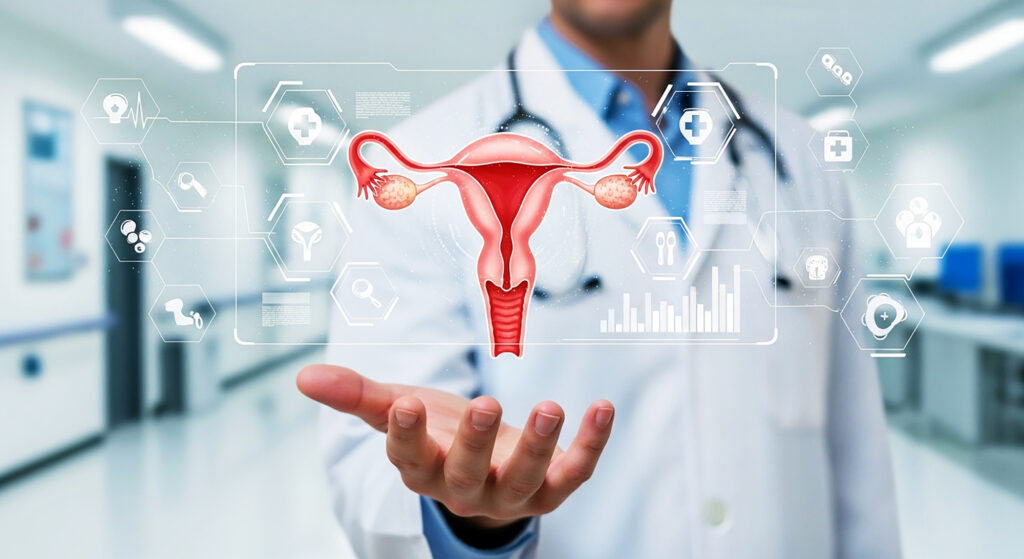
PCOS, short for Polycystic Ovary Syndrome, is a complex hormonal disorder that affects the reproductive system of women. It is characterized by a combination of symptoms, including irregular periods, excessive androgen levels (male hormones), and the presence of cysts on the ovaries. These cysts are not harmful but can disrupt the normal functioning of the ovaries.
Symptoms of PCOS
PCOS manifests differently in each woman, making it challenging to diagnose. However, some common symptoms may help in identifying its presence. These symptoms can vary in severity and may include:
- Irregular Menstrual Cycles: Do you experience irregular periods, unpredictable cycle lengths, or even the absence of menstruation for several months? This irregularity can be a potential sign of PCOS. Hormonal imbalances disrupt the normal ovulation process, leading to menstrual irregularities.
- Excessive Hair Growth: Have you noticed excessive hair growth in unwanted areas like the face, chest, or back? PCOS can cause an overproduction of androgens, resulting in hirsutism (excessive hair growth), making women feel self-conscious about their appearance.
- Acne and Skin Issues: Are acne breakouts affecting your self-esteem and confidence? High levels of androgens can contribute to acne development, often appearing along the jawline, chin, and lower cheeks. Additionally, PCOS can also cause oily skin and dandruff.
- Weight Gain and Difficulty Losing Weight: Do you find it challenging to shed those extra pounds despite following a healthy lifestyle? PCOS can make weight management an uphill battle. Insulin resistance, commonly associated with PCOS, makes it easier to gain weight and harder to lose it.
- Mood Swings and Emotional Distress: Are you experiencing frequent mood swings, anxiety, or depression? PCOS can have a significant impact on a woman’s mental and emotional well-being, often leaving her feeling overwhelmed and frustrated.
Causes of PCOS
The exact cause of PCOS remains unknown, but several factors contribute to its development. Understanding these factors can help us gain insight into the condition. Here are some potential causes of PCOS:
- Hormonal Imbalance: Hormonal imbalances, particularly elevated androgen levels, play a crucial role in the development of PCOS. These imbalances disrupt the regular menstrual cycle and follicle development, leading to the formation of ovarian cysts.
- Insulin Resistance: Insulin resistance, a condition in which the body becomes less responsive to the hormone insulin, is commonly associated with PCOS. When insulin resistance occurs, the body compensates by producing more insulin, which can disrupt hormonal balance and contribute to the development of PCOS.
- Genetics: Genetics also plays a role in PCOS. If you have a family history of PCOS, you may be at a higher risk of developing the condition. Certain genes can make you more susceptible to hormonal imbalances and insulin resistance, increasing the likelihood of PCOS.
- Lifestyle Factors: While genetics and hormonal imbalances play a significant role, lifestyle factors can also contribute to the development of PCOS. Poor diet, sedentary lifestyle, chronic stress, and inadequate sleep can exacerbate hormonal imbalances and insulin resistance, making PCOS more likely to occur.
Treatment of PCOS in Delhi NCR
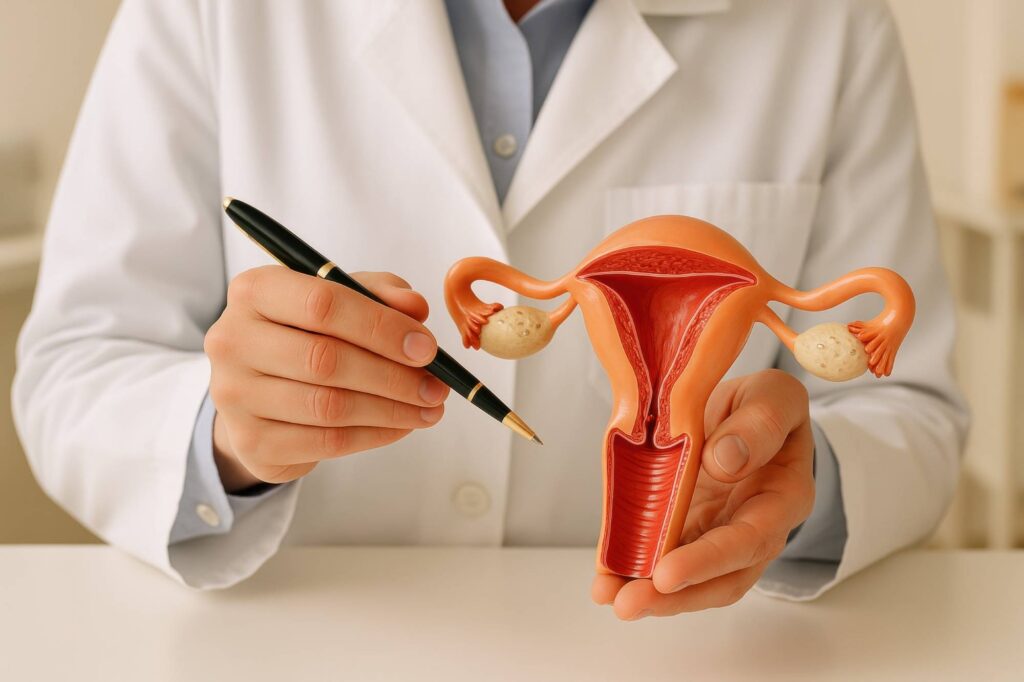
Although there is no cure for PCOS, the symptoms and associated risks can be effectively managed through various treatment approaches. The treatment options for PCOS are tailored to each individual and may include:
- Lifestyle Modifications: Making positive lifestyle changes is often the first line of defense in managing PCOS. This may involve adopting a balanced and nutritious diet, engaging in regular exercise, managing stress levels, and prioritizing sufficient sleep. These lifestyle modifications can help regulate hormones, improve insulin sensitivity, and promote overall well-being.
- Medications: In some cases, medications may be prescribed to address specific symptoms or underlying hormonal imbalances. Hormonal contraceptives, such as birth control pills, can help regulate menstrual cycles and reduce androgen levels. Other medications, such as anti-androgens and insulin-sensitizing drugs, may also be prescribed to manage symptoms and promote hormonal balance.
- Assisted Reproductive Technology (ART) : For women struggling with fertility issues due to PCOS, assisted reproductive technology, such as in vitro fertilization (IVF), may be recommended. These advanced techniques can help increase the chances of pregnancy by assisting with ovulation and embryo implantation.
- Emotional Support: Dealing with PCOS can take a toll on a woman’s emotional well-being. Seeking emotional support through therapy, support groups, or talking to loved ones can be immensely helpful in coping with the challenges that PCOS presents. It’s important to remember that you’re not alone, and there are resources available to support you throughout your journey.
Risks of PCOS
PCOS not only affects reproductive health but can also increase the risk of certain health complications. It’s crucial to be aware of these potential risks and take appropriate measures to minimize them. Some common risks associated with PCOS include:
- Infertility: PCOS can significantly impact fertility. Irregular ovulation and hormonal imbalances can make it more challenging to conceive. However, with proper medical intervention and lifestyle changes, many women with PCOS can achieve successful pregnancies.
- Type 2 Diabetes: Insulin resistance, a common feature of PCOS, increases the risk of developing type 2 diabetes later in life. Regular monitoring of blood sugar levels and adopting a healthy lifestyle can help prevent or manage this risk.
- Cardiovascular Disease: Women with PCOS have a higher risk of developing cardiovascular diseases, including high blood pressure, high cholesterol levels, and heart disease. Managing weight, adopting a heart-healthy diet, and engaging in regular exercise can help reduce this risk.
- Endometrial Cancer: Irregular or infrequent periods associated with PCOS can lead to overgrowth of the endometrium (the lining of the uterus), increasing the risk of endometrial cancer. Regular gynecological check-ups and appropriate treatment can help detect and prevent this potential risk.
Why Choose Little Angel IVF for PCOS Treatment?
When it comes to managing and treating PCOS, finding the right healthcare provider is crucial. Little Angel IVF is a trusted and renowned medical center that specializes in providing comprehensive care for women with PCOS. Here are some reasons why you should consider choosing Little Angel IVF for your PCOS treatment: