












What Is Teratozoospermia?

Teratozoospermia is a change in the shape, size, and physical structure of the sperm cells. 

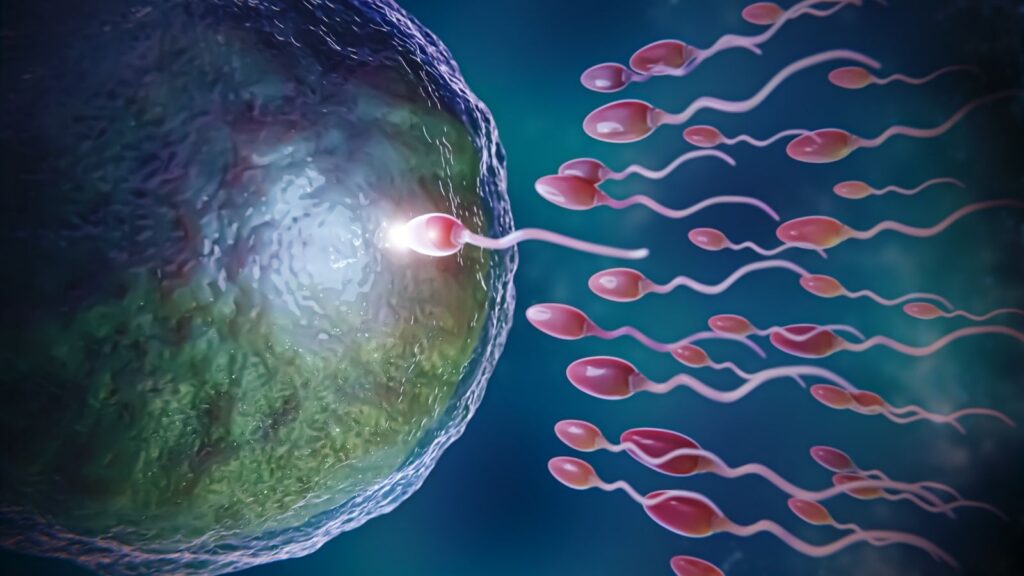
A typical sperm cell consists of:

  • An oval head: Contains genetic material and enzymes needed to penetrate an egg.
  • A midpiece: Houses energy-producing mitochondria to power movement.
  • A tail: Propels the sperm forward through the female reproductive tract.

When sperm have structural variations—such as an abnormally shaped head, multiple tails, or a bent midpiece—their ability to swim efficiently or bind to and fertilize an egg can be reduced.

What Does an Abnormal Sperm Morphology Test Result Mean?

A sperm morphology test result reflects the percentage of normally shaped sperm observed under strict laboratory criteria, such as the World Health Organization (WHO) guidelines.

According to WHO reference standards, having 4% or more normal forms is considered typical. However, reference values are statistical guidelines rather than strict cutoffs between fertility and infertility. Morphology is only one component of a complete semen evaluation.

Semen Parameter What It Measures
Sperm Count The total number of sperm present in the sample
Motility How effectively and actively the sperm move
Morphology The physical size, shape, and structure of the sperm

An isolated abnormal morphology result should always be interpreted alongside sperm count, motility, medical history, and the partner’s fertility factors.

Teratozoospermia Causes

Sperm development is sensitive to various internal and environmental factors. Common contributing factors include:

  • Varicocele: Enlarged veins within the scrotum that increase testicular temperature.
  • Infections and Inflammation: Urogenital infections that impact sperm health.
  • Oxidative Stress: An imbalance of free radicals that can affect cellular membranes and DNA.
  • Lifestyle Factors: Regular smoking, heavy alcohol intake, or obesity.
  • Heat Exposure: Frequent use of saunas, hot tubs, or occupational heat.
  • Medications or Medical Conditions: Certain systemic illnesses or prescribed drugs.
  • Idiopathic: In many instances, no clear underlying cause is identified.

Teratozoospermia Treatment

Effective abnormal sperm morphology treatment focuses on addressing the root cause rather than relying on a one-size-fits-all solution. Depending on clinical findings, management strategies may involve:

  • Treating Identified Conditions: Medical management of infections or surgical repair of a clinically significant varicocele.
  • Targeted Lifestyle Changes: Improving nutrition, managing weight, minimizing scrotal heat, and stopping tobacco use to support healthy sperm production.
  • Male Fertility Evaluation: In-depth hormonal or genetic assessments when indicated.
  • Assisted Reproduction: Exploring clinical interventions when natural conception has not occurred after addressing modifiable factors.

Teratozoospermia IVF ICSI

When natural conception or intrauterine insemination (IUI) is not practical, advanced reproductive technology offers effective pathways to pregnancy.

For couples navigating male-factor challenges, teratozoospermia IVF ICSI (Intracytoplasmic Sperm Injection) may be considered. During ICSI, an embryologist carefully selects a single sperm with the most normal shape and movement under high magnification and injects it directly into a mature egg.

Key points to understand:

  • Not every man with abnormal morphology requires ICSI; the decision depends on the complete semen profile and the couple’s clinical history.
  • ICSI bypasses natural barriers to fertilization but does not guarantee an embryo, pregnancy, or live birth.

Why Patients Trust Our IVF Specialists?

We have professional IVF doctor who deliver compassionate care with proven results.
25+

Years Experience

We have been helping couples build their families with safe fertility care.
90%

IVF Treatment Success Rate

Our high IVF cycle rates give you one of the best chances to become parents.
25,000+

Happy Couples

Thousands of couples have trusted us, and many are now proud parents.
30%

Lower Cost

Get world-class IVF treatments at a much more affordable IVF cost.

When Should You See a Fertility Specialist?

You should consider consulting a fertility specialist if:

  • You have been trying to conceive for 12 months (or 6 months if your partner is over 35) without success.
  • Your semen analysis shows low morphology alongside low count or poor motility.
  • You have received repeated abnormal semen analysis reports.
  • You have experienced previous unsuccessful fertility treatments.

Teratozoospermia Treatment at Little Angel IVF

At Little Angel IVF, Dr. Mona Dahiya and our experienced fertility team take a thorough, evidence-based approach to male reproductive health. We evaluate your complete semen parameters, identify potential contributing causes, and design an individualized care plan suited to your specific family-building goals.

If you have received an abnormal sperm morphology result, consult the fertility specialists at Little Angel IVF to understand what your report means and which treatment options may be appropriate for you.

+91 9267982924