Frequently Asked Questions (FAQs)
1. What is an ovulation disorder?
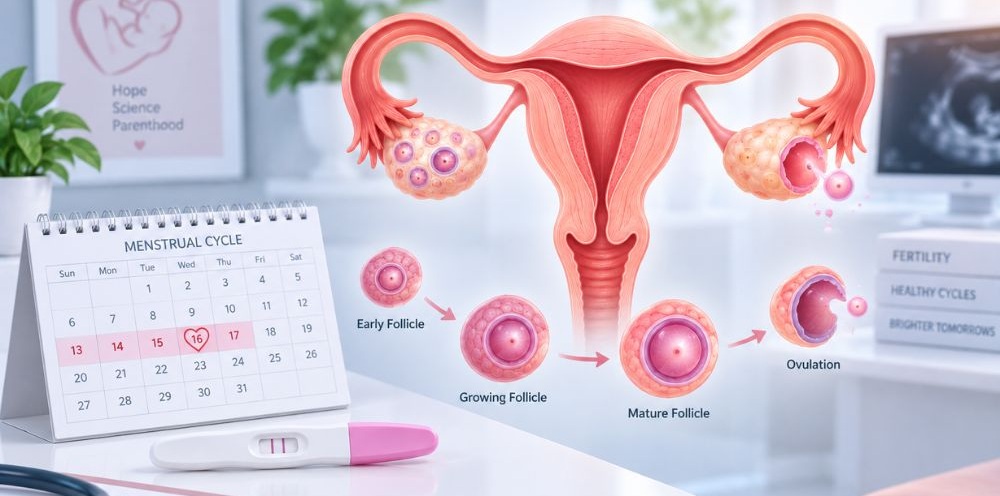
An ovulation disorder is any condition that causes a woman to release eggs irregularly or prevents egg release entirely (anovulation), leading to unpredictable periods and difficulty conceiving.
2. Can irregular ovulation be treated?
Yes. Irregular ovulation treatment focuses on correcting the underlying cause—such as balancing thyroid hormones, managing PCOS, or using medications to gently stimulate the ovaries to produce eggs on a predictable schedule.
3. What are the most common causes of anovulation?
The leading causes include Polycystic Ovary Syndrome (PCOS), thyroid disorders, elevated prolactin levels, extreme weight fluctuations, chronic stress, and diminished ovarian reserve.
4. Can I get pregnant if I have an ovulation disorder?
Yes. Many women with ovulation problems conceive successfully once the hormonal balance is restored or after undergoing monitored ovulation induction treatment or assisted reproductive care like IUI or IVF.
5. Is ovulation induction treatment painful?
No. Ovulation induction typically involves taking oral tablets or minor daily subcutaneous injections that cause minimal discomfort, alongside routine, painless pelvic ultrasounds to track follicle growth.