










What Is Oligospermia?

Oligospermia is a semen sample that contains a lower sperm concentration than the reference ranges established by the World Health Organization (WHO).

It is important to understand the distinctions:

  • Sperm concentration vs. count: Concentration measures the number of sperm per millilitre of semen, while total count reflects the entire ejaculate.
  • Oligospermia vs. Azoospermia: Oligospermia means sperm are present, just in fewer numbers. Azoospermia refers to a complete absence of sperm in the ejaculate.

Oligospermia Causes

Male fertility depends on a complex balance of hormones, genetics, and physical health. Common oligospermia causes include:

  • Varicocele: Enlarged veins within the scrotum that overheat the testicles and affect sperm production.
  • Hormonal imbalances: Disruptions in the pituitary gland, hypothalamus, or testosterone production.
  • Infections and inflammation: Prior reproductive tract infections that impair sperm health or cause temporary blockages.
  • Genetic factors: Chromosomal variations or microdeletions affecting testicular function.
  • Testicular factors: Undescended testicles, previous injury, or groin surgeries.
  • Medications and medical treatments: Certain prescription drugs, testosterone supplements, or cancer therapies.
  • Lifestyle and environmental factors: Smoking, heavy alcohol consumption, obesity, and prolonged exposure to high heat.
  • Idiopathic: In several cases, no specific underlying cause is found.

Oligospermia Treatment

Effective low sperm concentration treatment depends entirely on the root cause, severity, and the overall reproductive health of both partners. At Little Angel IVF, Dr Mona Dahiya ensures treatment is thoroughly individualised rather than using a one-size-fits-all approach.

  • Treating underlying medical conditions: Correcting hormone deficiencies or addressing infections.
  • Surgical intervention: Varicocele repair (varicocelectomy) when clinically indicated by EAU and AUA guidelines.
  • Lifestyle modifications: Guidance on weight management, smoking cessation, and reducing heat exposure.
  • Intrauterine Insemination (IUI): Suitable for select mild cases where adequate motile sperm can be concentrated.
  • IVF with ICSI: Recommended when sperm parameters are significantly low or when other fertility factors coexist.

Severe Oligospermia Treatment

When sperm concentration is critically low, standard conception methods may not be effective. Severe oligospermia treatment involves a deeper clinical investigation:

  • Comprehensive endocrine evaluations (FSH, LH, testosterone, prolactin).
  • Genetic screening (such as Y-chromosome microdeletion testing and karyotyping).
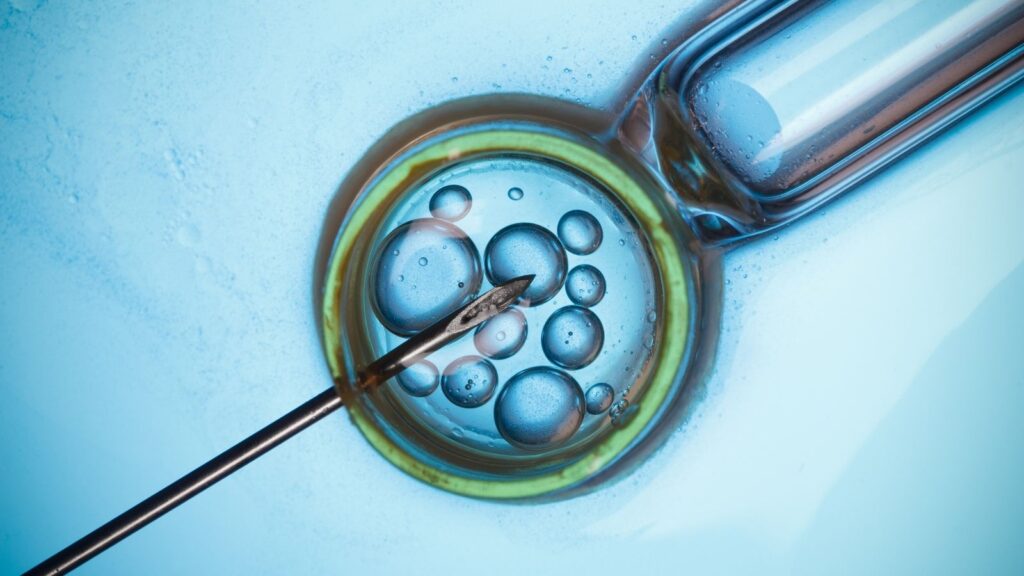
  • Intracytoplasmic Sperm Injection (ICSI): In this specialised form of IVF, embryologists select a single viable sperm and inject it directly into a mature egg.

Why Patients Trust Our IVF Specialists?

We have professional IVF doctor who deliver compassionate care with proven results.
25+

Years Experience

We have been helping couples build their families with safe fertility care.
90%

IVF Treatment Success Rate

Our high IVF cycle rates give you one of the best chances to become parents.
25,000+

Happy Couples

Thousands of couples have trusted us, and many are now proud parents.
30%

Lower Cost

Get world-class IVF treatments at a much more affordable IVF cost.

Approaches to Low Sperm Concentration

Situation Potential Clinical Approach
Mild to moderate low count Evaluation, lifestyle optimisation, medical management, or IUI/IVF
Severe oligospermia Comprehensive endocrine/genetic testing and consideration of IVF with ICSI
Identified hormonal or physical cause Targeted medical therapy or varicocele correction
Persistent male-factor infertility Assisted reproductive technologies (IUI, IVF, or ICSI) based on couple evaluation

Oligospermia and IVF Success Rate

There is no fixed oligospermia IVF success rate, because pregnancy outcomes depend on several combined factors rather than sperm count alone:

1. ICSI Fertilisation Rate: 70%–85% of injected eggs successfully fertilise.

2.Live Birth Rate per Cycle (by female age):

  • Under 35: 40%–50%
  • 35–37: 30%–38%
  • 38–40: 15%–25%
  • Above 40: 5%–12%

3. Cumulative Success (2–3 cycles): 60%–70%+ (for women under 38).

Using advanced assisted reproductive techniques like ICSI, men with low sperm counts can fertilise eggs effectively, as only a small number of healthy, viable sperm are required.

+91 9267982924