



25+

Years of Experience

99%

Diagnostic Precision

85%

Positive Outcomes

100%

Safe Environment

What Is Endometriosis?

The tissue resembling the lining of the uterus (endometrium) develops outside the uterus, which is known as endometriosis. These growths typically form on the ovary, fallopian tube, outer uterine wall, bowel, bladder, or the peritoneum in the pelvis.

This tissue grows thicker and then sheds every menstrual cycle. It cannot be excreted from the body naturally, so it will create local inflammation, swelling, and scar tissue (adhesions).

What Is Endometriosis

Endometriosis Symptoms and Infertility

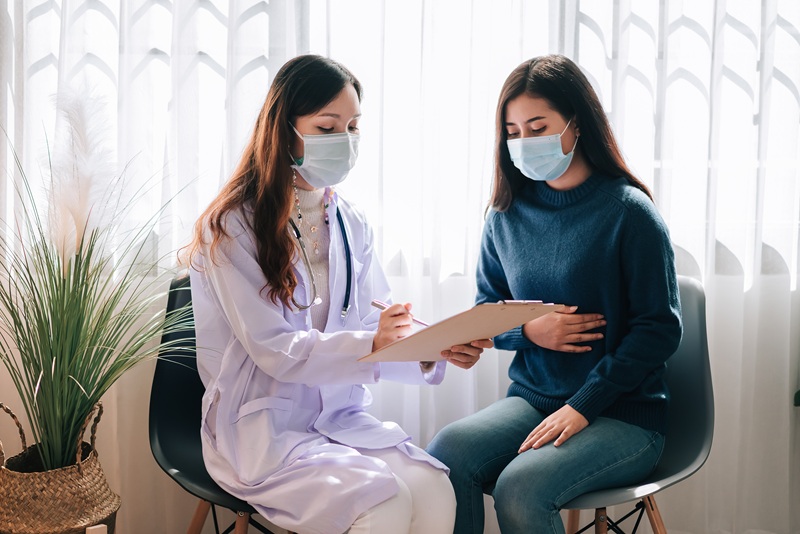
Recognizing endometriosis symptoms and infertility connections early helps guide timely clinical care. Common signs include:

  • Severe menstrual cramps (dysmenorrhea)
  • Chronic lower pelvic or abdominal pain
  • Pain during or after sexual intercourse (dyspareunia)
  • Painful bowel movements or urination, particularly during your period
  • Difficulty conceiving after 6 to 12 months of unprotected intercourse

Symptoms vary widely. The severity of pain does not always correlate with the impact on fertility; some individuals with minimal pain may experience conception difficulties, while others with severe discomfort conceive naturally.

How Endometriosis Can Affect Fertility

  • Chronic pelvic inflammation: Biochemical changes in pelvic fluid can alter sperm function, egg quality, and early embryo development.
  • Pelvic adhesions and anatomical distortion: Scar tissue can bind organs together, blocking fallopian tubes or preventing the ovary from releasing an egg into the tube.
  • Ovarian endometriomas: Often called “chocolate cysts,” these benign, fluid-filled cysts in the ovaries can displace healthy tissue and potentially compromise ovarian reserve (the remaining egg supply).
  • Implantation environment: Receptive signaling in the uterine lining may occasionally be altered.

Endometriosis Treatment for Infertility

Treatment Approach When It May Be Considered Important Clinical Considerations
Expectant Management Younger patients with mild/early-stage disease, normal tubes, and good ovarian reserve. Timed intercourse with careful ovarian monitoring is recommended only for limited durations.
IUI (Intrauterine Insemination) Unobstructed fallopian tubes, normal semen analysis, and minimal-to-mild endometriosis. Often combined with mild ovarian stimulation; monitored closely to assess response.
IVF / ICSI Moderate-to-severe disease, tubal blockage, low ovarian reserve, male factor infertility, or failed prior treatments. Bypasses tubal distortion and inflammatory pelvic fluid; can be tailored to ovarian response.
Conservative Laparoscopy Severe pain, large endometriomas impacting egg retrieval, or to clear distorted anatomy. Surgery is not routinely mandatory before IVF; excision of cysts risks reducing ovarian reserve.
Fertility Preservation Before planned ovarian surgery or in progressive disease with declining reserve. Egg or embryo freezing protects reproductive options prior to potential surgical tissue loss.

Endometriosis and Pregnancy

Having endometriosis and pregnancy are entirely compatible. Many individuals conceive naturally, while others benefit from assisted reproductive technologies (ART). Furthermore, pregnancy often brings temporary relief from endometriosis-related pain due to prolonged exposure to progesterone and the cessation of ovulation.

Our Proven Process for Female Infertility Treatment

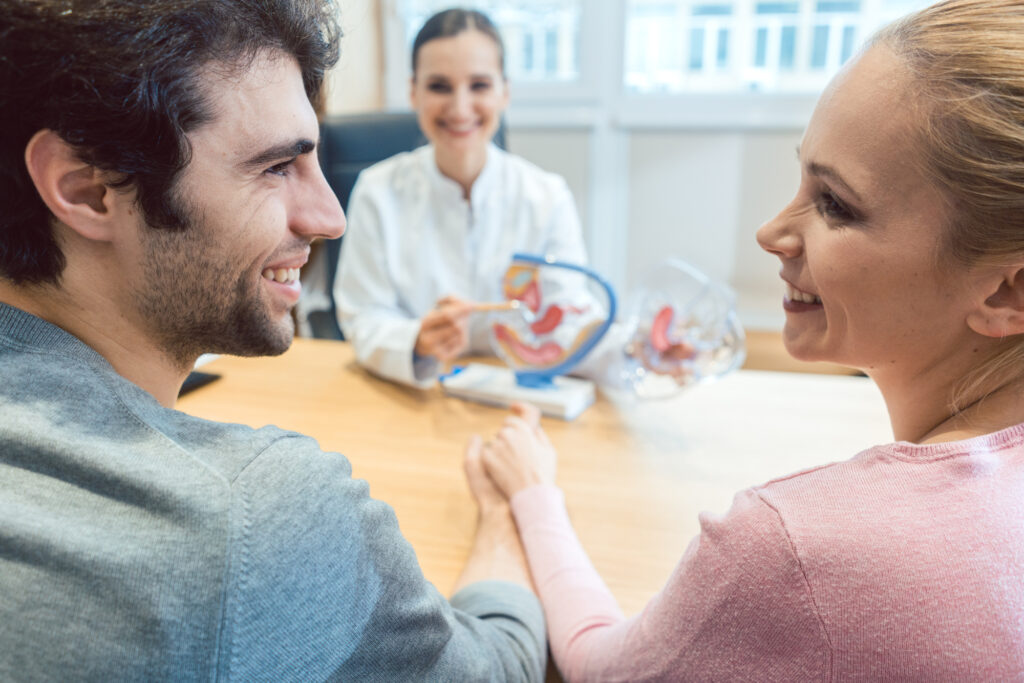
At Little Angel IVF, we follow a step-by-step process for the successful treatment of infertility in female individuals.
  1. Initial Consultation & Medical History
    We start with a conversation about your menstrual cycle, lifestyle, and medical history.
  2. Hormone Testing
    A simple infertility blood test for female patients gives us a “report card” on key hormones.
  3. Transvaginal Ultrasound
    A painless scan to check the health of your ovaries, uterine lining, and look for fibroids.
  4. Hysterosalpingogram (HSG)
    This special X-ray is a crucial diagnostic test for female infertility that tells us if your fallopian tubes are open or blocked.
  5. Genetic Testing
    This female infertility test checks if there’s a genetic reason behind the issue.

Why Choose Little Angel IVF for Infertility Treatment for Females?

At Little Angel IVF, we focus on helping you become a mother. Our female infertility doctors use their expertise in top medical science with care.

Endometriosis IVF Success Rate

There is no universal success rate, as outcomes depend on maternal age, egg reserve, and disease stage. However, clinical studies report average live birth rates of approximately 30% to 40% per IVF cycle in women under 35, with early-stage endometriosis outcomes mirroring standard IVF success rates. While advanced disease or ovarian endometriomas can lower the number of retrieved eggs, individualized stimulation protocols and embryo vitrification help optimize cumulative pregnancy chances.

Endometriosis Surgery Delhi

Patients exploring endometriosis surgery options in Delhi should know that surgery is not an automatic prerequisite for fertility treatment.

Minimally invasive laparoscopic surgery is generally reserved for managing severe, unmanageable pelvic pain or removing cysts that physically obstruct safe ultrasound-guided egg retrieval. Because surgical stripping of endometrioma walls can inadvertently remove healthy ovarian follicles and diminish AMH, the decision between immediate ART and surgical excision must be made carefully on a case-by-case basis.

+91 9267982924