










What Is Asthenozoospermia?

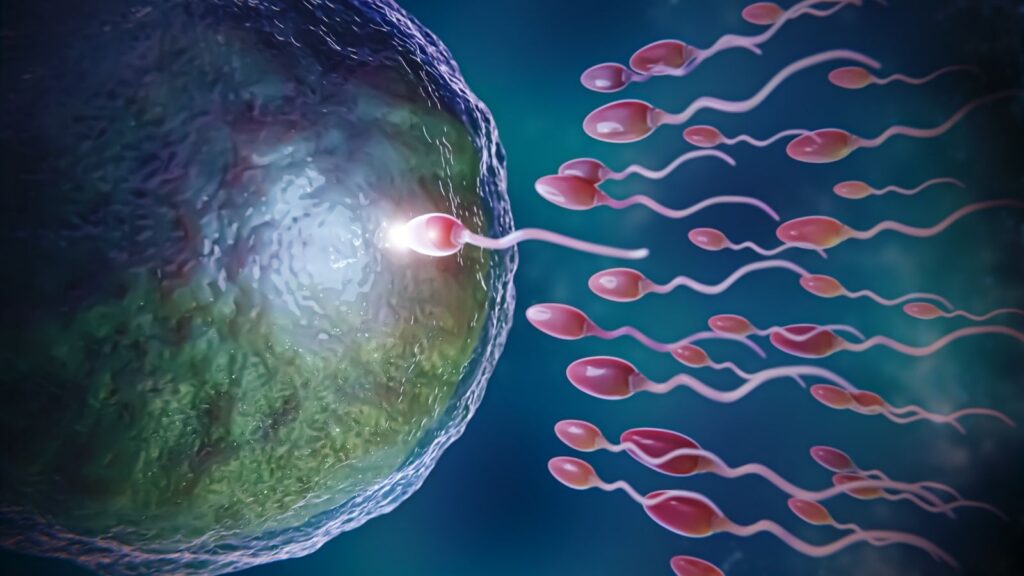
A decreased motility of sperm is known as asthenozoospermia. In natural conception, the sperm must be able to swim, propelling themselves in either straight lines or large circles through the female reproductive system.

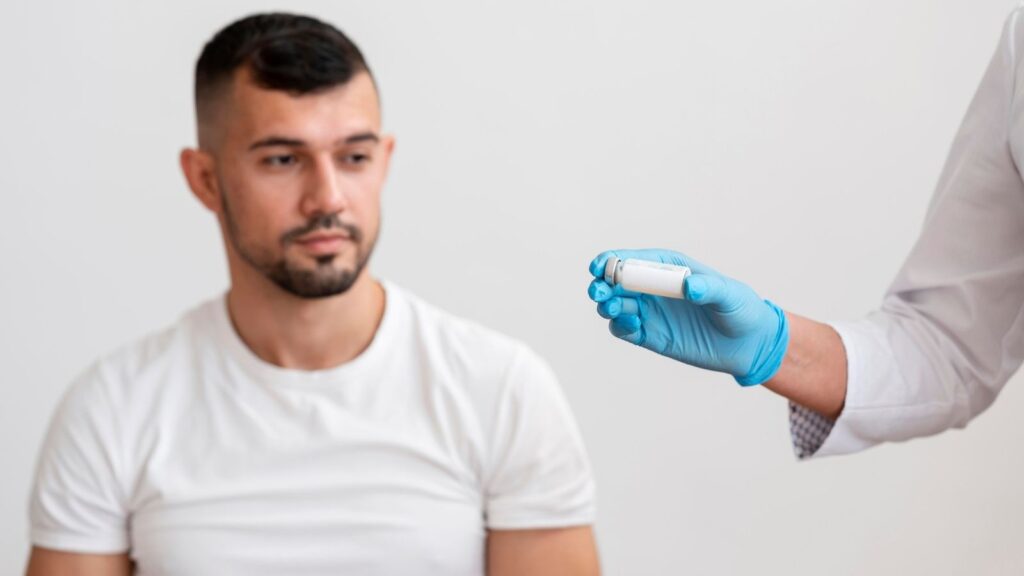
The World Health Organization (WHO) guidelines for semen analysis include an evaluation of motility in addition to concentration and morphology (shape). Diagnostic work is never performed on a single individual number, but rather the overall semen profile is considered in relation to complete reproductive health. 

Common Asthenozoospermia Causes

Identifying the underlying origin of poor motility is the first step toward effective care. Recognized asthenozoospermia causes include:

  • Varicocele: Enlarged veins within the scrotum that increase testicular temperature.
  • Infections or Inflammation: Past or present infections in the prostate, epididymis, or urethra.
  • Hormonal Imbalances: Deficiencies or disruptions in testosterone, LH, or FSH.
  • Oxidative Stress & Lifestyle Factors: Tobacco use, excessive alcohol intake, obesity, and prolonged exposure to high heat (e.g., saunas, hot baths).
  • Genetic or Structural Factors: Ciliary abnormalities affecting sperm tail function.
  • Idiopathic: In some cases, no clear underlying cause is identified.

Diagnosis and Evaluation

Accurate evaluation ensures that low sperm motility treatment is tailored correctly:

  1. Standard Semen Analysis: Conducted under standardized laboratory protocols.
  2. Repeat Testing: Because sperm parameters fluctuate naturally, a confirmatory test is usually scheduled a few weeks later.
  3. Physical & Hormonal Assessment: Clinical examinations and targeted blood tests to evaluate endocrine function or anatomical factors.

Asthenozoospermia Treatment Options

Treatment is never one-size-fits-all; management depends directly on the root cause, severity, and both partners’ overall reproductive profiles.

  • Treating Underlying Conditions: Targeted antibiotics for diagnosed infections or medical management of endocrine abnormalities.
  • Surgical Correction: Varicocele repair (varicocelectomy) when clinically indicated by physical exam and semen parameters.
  • Lifestyle Modifications: Evidence-based adjustments to reduce testicular heat, stop smoking, and address metabolic factors.
  • Assisted Reproductive Technology (ART): When motility cannot be fully restored medically, laboratory techniques help bypass the physical barrier of reduced movement.

Why Patients Trust Our IVF Specialists?

We have professional IVF doctor who deliver compassionate care with proven results.
25+

Years Experience

We have been helping couples build their families with safe fertility care.
90%

IVF Treatment Success Rate

Our high IVF cycle rates give you one of the best chances to become parents.
25,000+

Happy Couples

Thousands of couples have trusted us, and many are now proud parents.
30%

Lower Cost

Get world-class IVF treatments at a much more affordable IVF cost.

Asthenozoospermia IUI vs. Poor Sperm Motility IVF

When natural conception remains difficult, assisted reproduction provides effective alternatives.

Treatment When It May Be Considered Key Clinical Point
IUI Mild to moderate motility issues with sufficient motile sperm post-wash Less invasive; places concentrated, washed sperm directly into the uterus.
IVF Moderate male factor, unexplained failure with IUI, or co-existing female factors Provides a controlled laboratory environment for fertilisation.
IVF with ICSI Severe motility deficits or previous fertilisation failure A single, viable sperm is selected and injected directly into the egg.

Selecting between asthenozoospermia IUI and poor sperm motility IVF (with or without ICSI) depends entirely on post-wash sperm counts and your broader reproductive evaluation.

Can Asthenozoospermia Be Treated?

Yes. While not every underlying cause can be reversed, modern reproductive medicine offers viable pathways to parenthood. Reversible factors like infections or lifestyle elements may improve natural motility, while assisted techniques like ICSI bypass movement limitations entirely by directly assisting fertilisation.

+91 9267982924