
HSG Test for Infertility: Procedure, Advantages and Side effects
Understanding the HSG Test
The path towards motherhood can be emotional. One moment you’re feeling hopeful; the next moment you’re confronted with a sea of medical words and tests. Infertility can be difficult to deal with, and sometimes your doctor may prescribe an HSG. It’s a routine test, but the mere mention of Hysterosalpingography can sound scary.
At Little Angel IVF, we know the first step to pregnancy is understanding. Thanks to the care of Best IVF Doctor in Noida, we have guided numerous women through these tests with compassion and understanding. So if you are curious about this “tube test for pregnancy”, then you’ve come to the right place. But let’s keep it simple and human in this breakdown of the HSG test.
What is an HSG Test? (HSG Full Form)
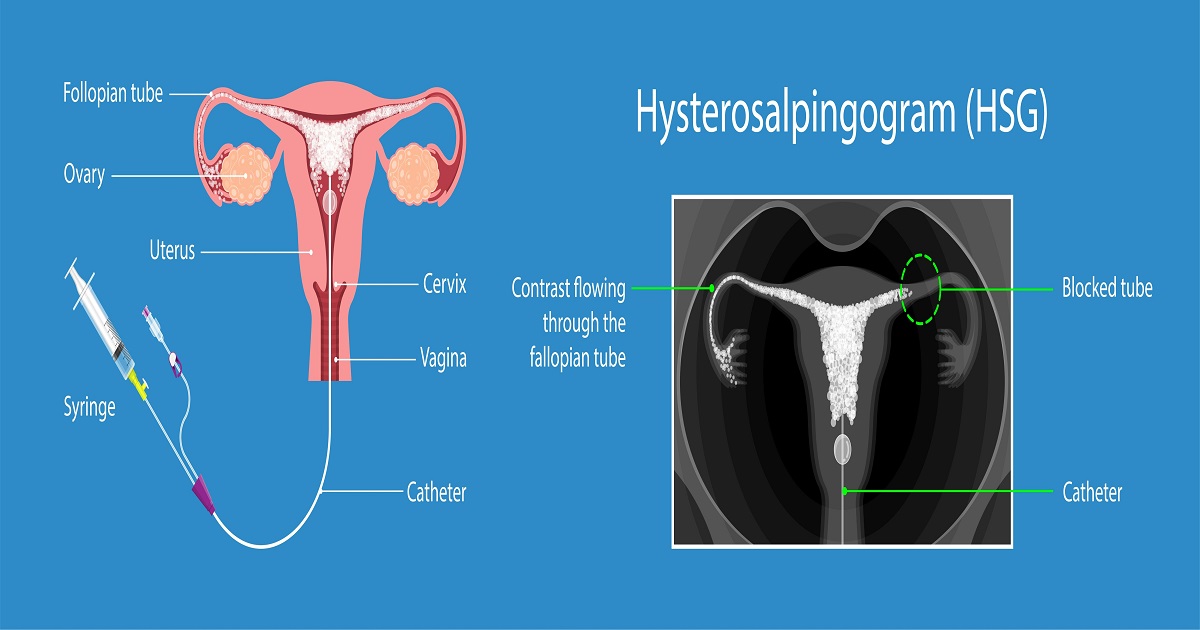
The full form of HSG is Hysterosalpingography. It may sound fancy, but it’s just a special X-ray to check the inside of the uterus and fallopian tubes.
In fertility circles, it’s also known as a pregnancy tube test. It’s all about checking to see if your fallopian tubes are clear and if the shape of your uterus is suitable for pregnancy. During an HSG scan, doctors inject a dye that is very visible on X-rays to check the flow and look for “traffic jams” in your reproductive system.
Why is an HSG Test Done?
The HSG test is a key component of a fertility checkup. It is not about ticking off items, but rather the “how” and “why” of conception.
- Blocked Tubes: For a pregnancy to occur naturally, the sperm have to meet the egg in the fallopian tube. If the fallopian tubes are blocked (blocked HSG test result), the meeting can’t occur.
- Uterine Abnormalities: The test will check for polyps, fibroids or a malformed uterus that may prevent embryo implantation.
- Fertility Diagnosis: If there are no issues, your doctor can determine whether you need fertility drugs, surgery or fertility treatments such as IVF.
Step-by-Step Procedure
Many women search “HSG test kaise hota hai” in order to understand what will happen. The procedure takes between 10-20 minutes.
- Getting ready for the test: The doctor will ask you to lie on an X-ray couch, just like a pelvic exam. The doctor will dilate your cervix with a speculum.
- Inserting the Catheter: The doctor will insert a thin, flexible tube (catheter) through the cervix and into the uterus.
- The Dye Injection: The doctor injects the contrast dye. The radiologist takes X-rays as the dye fills the uterus and flows through the tubes.
- Observation: The doctor observes the screen to see if the dye “spills” out the ends of the tubes. If it does, your tubes are open. If it doesn’t, there may be a blockage.
Best Time to Have an HSG
Timing is everything. An HSG is typically performed in the first half of your menstrual cycle, on day 7 to 10.
This means it is after your period (so that the lining of the womb is thin and easy to see on the X-ray) but before your next period (when you ovulate). This way, you won’t be pregnant at the time of the X-ray, as the dye and radiation may harm the unborn baby.
Is an HSG Test Painful?
This is the most frequent question we get asked at Little Angel IVF. The short answer is yes, most women feel a bit of cramping (like period pains) when the dye is injected. It’s generally short-lived, only a minute or two. However, if your tubes are damaged, you may feel some pressure.
It may be worthwhile taking an over-the-counter pain reliever 30 minutes before the procedure (as advised by a medical practitioner).
HSG Test Side Effects
Although the HSG test is safe, like any procedure, there are possible HSG test side effects. These are usually temporary:
- Cramping: Mild to moderate cramping for a few hours.
- Spotting: Some discharge and spotting (the dye leaking out).
- Dizziness: You may feel slightly dizzy afterwards.
- Infection: This is rare, but your doctor may give you a short course of antibiotics to prevent it.
- Allergic Reaction: In rare cases, a patient may be allergic to the iodine dye.
Benefits of the HSG Test
The HSG test has other benefits besides diagnosis:
- Accurate: It is the most accurate method of testing tubal patency (openness).
- Non-Invasive: There is no surgery and no need for anaesthesia.
- The “Fertility Boost”: Many women get pregnant in the 3 months after an HSG. It’s thought that the dye “cleans out” the tubes of minor debris or mucus plugs and allows the egg and sperm to pass through.

What to expect after the HSG test
Recovery is almost immediate. You can expect to drive home and return to your normal activities the same day. You may pass some sticky discharge from your vagina (the dye coming out). You can wear a sanitary pad (but not a tampon) for a couple of days.
If you have a fever, severe pain or excessive bleeding after the test, contact your clinic.
Can HSG Help You Get Pregnant?
The truth is, an HSG is not a treatment. But as noted, the “clearing” effect can lead to pregnancy. If you have a negative (blocked) HSG test result, don’t despair. The first step is to know the issue. Under the care of an Best IVF specialist like Dr Mona Dahiya, a blockage can be treated with a range of fertility treatments.
HSG Test Cost
Fertility brings so much joy, but it also comes with a price. Several factors can affect the cost of an HSG test.
Here’s an estimate of the costs, and what affects it:
| Component / Service | Cost Range (INR) |
| Standard HSG Procedure | ₹2,500 – ₹5,000 |
| HSG with Sedation/Anaesthesia | ₹5,500 – ₹10,000 |
| Digital/High-Definition HSG | ₹4,000 – ₹6,500 |
| Consultation & Post-Procedure Review | ₹800 – ₹2,000 |
Note: We recommend discussing with your clinics ahead of the test whether the fee given includes medications (such as the dye and pain relief) or if there will be a separate fee for these medicines.
Conclusion
This HSG test is only a small step in your journey towards motherhood. It’s okay to be nervous about the test or the results, but remember, this is a piece of information. It’s the necessary step to take from “guessing” to “preparing”.
If you’re not sure what to do, talk to an expert. We strive to create a welcoming and safe space for your questions to be answered at Best IVF centre in Noida. You don’t have to go it alone.
FAQs
- What is HSG test?
It’s a test called Hysterosalpingography. It’s an X-ray test to see if a woman’s fallopian tubes are blocked and whether the uterus is normal.
- When is the best time to do HSG test?
This test is done between days 7-10 of your period, once your period has ended and before you ovulate.
- Is HSG test painful?
The injection of dye can cause mild to moderate cramping, like period pain. It usually subsides quickly.
- How is HSG test done?
A catheter is inserted into the cervix, and dye is injected, and X-rays are taken to observe how the dye passes through the reproductive tract.
- Side effects of HSG test?
Side effects include mild cramping, spotting and dizziness. It’s rare for severe complications (such as infection) to occur.
- How long after the HSG test can I return to work?
Yes, the procedure can usually be performed in the office, and you can return to work or your usual activities right away. You may feel like lying down for a few hours if you have mild cramps, but there’s no requirement for bed rest.
- Will an HSG test open up blocked tubes?
Although this is a diagnostic test, the dye can clear some very minor blockages and “flush out” mucus plugs. But it’s not a cure for badly scarred or blocked tubes.
- Are there alternatives to the HSG test?
Yes, it is called a HyCoSy (Hysterosalpingo-Contrast-Sonography), and it is done with ultrasound. However, most doctors still consider the HSG test as the “best test” as it gives detailed images of the uterine cavity and the tubes.
- Can HSG test increase fertility?
The HSG test itself does not increase fertility. However, it can detect certain abnormalities in the reproductive organs that may be affecting fertility. In some cases, if a blockage or other issue is identified during the test, further treatment or interventions may be recommended to improve fertility.
- What are the rules before HSG?
Before undergoing an HSG test, there are a few guidelines to follow:
Inform your doctor about any allergies, previous pelvic infections, or suspected pregnancy. Schedule the test within the recommended timeframe of your menstrual cycle. Take some prescribed medications as instructed by your healthcare provider. Avoid sexual intercourse for some days before the test. You may be advised to take over-the-counter pain medication before the procedure.
- Which is more painful, HSG or IVF?
The level of pain experienced during the HSG test and in vitro fertilization (IVF) can vary among individuals. Generally, the HSG test involves some discomfort or cramping, similar to menstrual cramps, while IVF procedures may involve more invasive steps and can cause discomfort or pain. It’s important to discuss any concerns about pain management with your healthcare provider.
- Can I eat before HSG test?
It is generally recommended to have a light meal or snack a few hours before the HSG test. However, it’s important to follow the specific instructions provided by your healthcare provider, as they may have specific dietary restrictions for the procedure.
- How much rest is required after HSG test?
After the HSG test, it is advisable to take it easy and rest for the remainder of the day. The length of rest required can vary among individuals, but it is generally recommended to avoid strenuous activities or heavy lifting for at least 24 hours after the procedure.
- Does HSG delay the next period?
The HSG test itself does not typically delay the next menstrual period. However, some individuals may experience minor changes in their menstrual cycle or temporary spotting after the procedure. If you have concerns about your menstrual cycle or experience any unusual symptoms, it is best to consult with your healthcare provider.