What Is a Thin Endometrium?

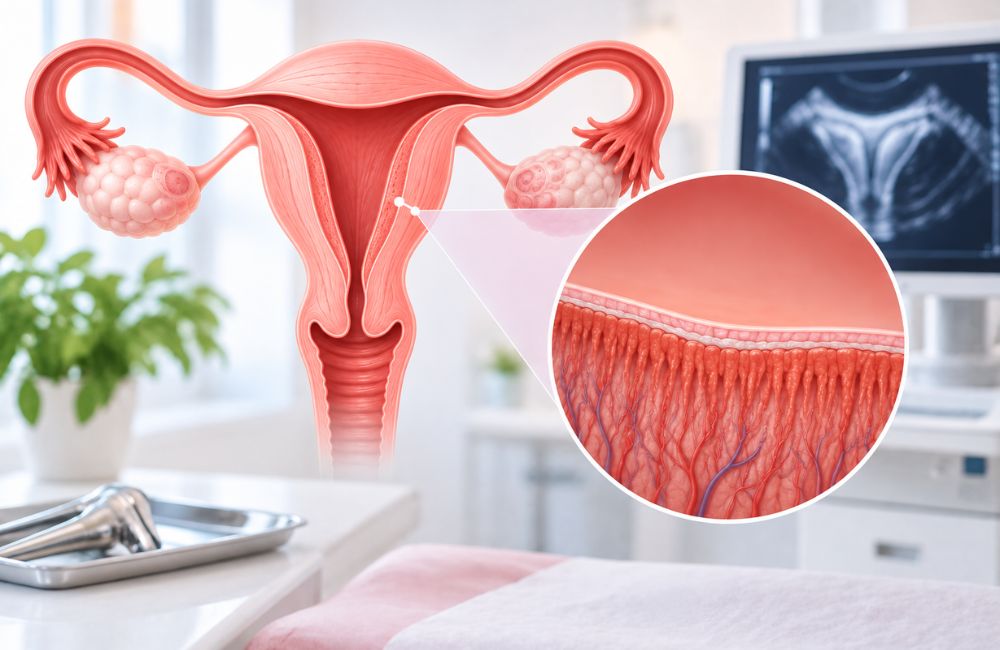
The inner lining of the uterus is known as the endometrium. Each menstrual cycle, this tissue thickens and is supplied with blood; it provides a good environment for the growth and attachment of a developing embryo. In cases where it does not get thick enough or build up enough structure, it is termed thin endometrium.

Understanding Endometrium Thickness for Pregnancy

For fertility treatment, the development of the endometrium is tracked by ultrasound exams, either around the middle of the cycle or prior to ovulation. Thinner linings might be associated with reduced implantation rates, but thickness doesn’t equal pregnancy, and thicker or thinner linings in patients can still result in an implant and pregnancy. 

Potential Causes of a Thin Uterine Lining

  • Hormonal and Receptor Factors: Suboptimal estrogen exposure, premature progesterone elevation, or reduced tissue sensitivity to hormone stimulation.
  • Previous Uterine Procedures: Scar tissue from past surgeries (such as vigorous curettage) leading to conditions like intrauterine adhesions (Asherman’s syndrome).
  • Vascular and Blood Flow Limitations: Reduced uterine artery blood flow or localized vascular insufficiency.
  • Chronic Inflammation or Infection: Historical pelvic infections or chronic endometritis impacting basal endometrial tissue.
  • Medication Responses: Individual variation in how receptors react to standard fertility protocols.

How Is Thin Endometrium Diagnosed?

  • Transvaginal Ultrasound (TVS): Measures the absolute thickness and observes the three-line (trilaminar) pattern of the lining.
  • Protocol and Hormone Review: Verifies circulating estradiol levels and reviews how the endometrium responds to stimulation.
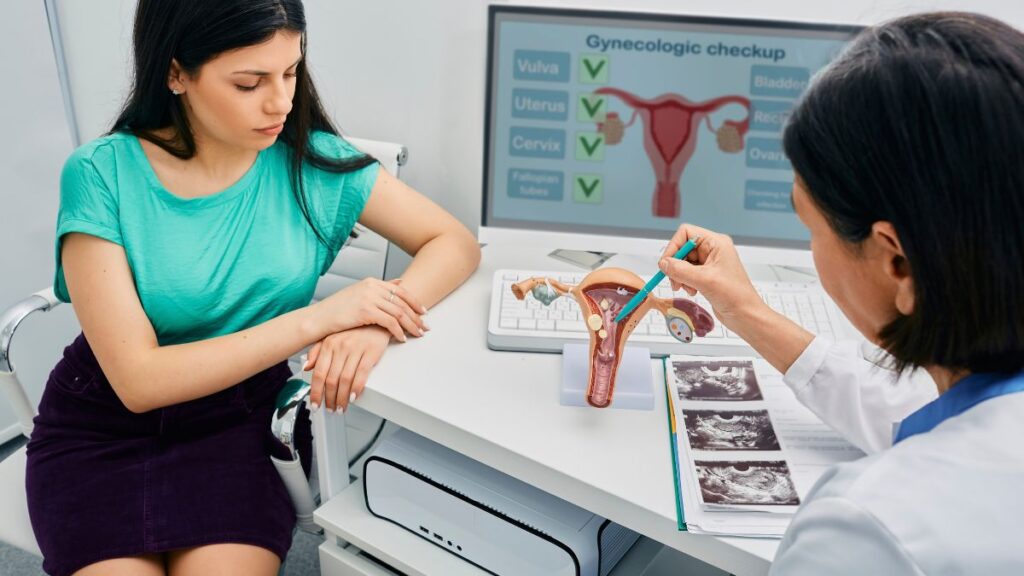
  • Diagnostic Hysteroscopy: Performed when clinically indicated to directly examine the uterine cavity and rule out adhesions, polyps, or structural scarring.

Comprehensive Thin Endometrium Treatment Approach

  • Estrogen Adjustments: Following ESHRE guidance, doctors first reassess the preparation regimen—modifying the dose, duration, or delivery route (oral, transdermal, or vaginal) to boost tissue exposure.
  • Treating Uterine Conditions: Operative hysteroscopy can correct structural issues like intrauterine adhesions, followed by hormone therapy to support regeneration.
  • Customizing Transfer Timing: Switching to a programmed or natural frozen embryo transfer (FET) allows more time for the lining to develop before implantation.

Platelet-Rich Plasma (PRP) for Thin Endometrium

Intrauterine Platelet-Rich Plasma (PRP) uses a concentration of a patient’s own platelets to help stimulate tissue growth.

While early studies show potential for improving lining thickness, guidelines from ESHRE and ASRM emphasize that evidence remains limited. PRP is an investigational add-on rather than a proven, standard treatment. At Little Angel IVF, we discuss emerging therapies transparently so you can make informed, evidence-based decisions.

Why Patients Trust Our IVF Specialists?

We have professional IVF doctor who deliver compassionate care with proven results.
25+

Years Experience

We have been helping couples build their families with safe fertility care.
90%

IVF Treatment Success Rate

Our high IVF cycle rates give you one of the best chances to become parents.
25,000+

Happy Couples

Thousands of couples have trusted us, and many are now proud parents.
30%

Lower Cost

Get world-class IVF treatments at a much more affordable IVF cost.

Thin Uterine Lining and IVF Care

Managing a thin uterine lining in IVF cycles involves continuous monitoring. Fertility doctors monitor uterine lining development alongside follicle growth and hormone levels. If the lining fails to develop appropriately, your clinical team may delay embryo transfer or freeze embryos, allowing for a tailored cycle preparation when uterine conditions are more favorable.

Clinical Parameter Focus of Fertility Evaluation
Endometrial Thickness Serial ultrasound monitoring of lining depth and trilaminar structure
Hormonal Response Adjusting estradiol delivery routes and monitoring serum levels
Uterine Cavity Integrity Hysteroscopic evaluation for adhesions, scarring, or inflammation
Transfer Planning Selecting between fresh transfer, natural cycle FET, or medicated FET

Planning a Thin Lining Embryo Transfer

Undergoing a thin lining embryo transfer requires careful, case-by-case consideration. Having a borderline or thin measurement does not mean pregnancy is impossible. Rather than relying on rigid cutoffs, specialists evaluate embryo quality, developmental stage, and overall uterine environment to decide whether to proceed or refine the protocol for a future cycle.

Frequently Asked Questions (FAQs)

1. What is considered a thin endometrium?

In assisted reproductive treatments, an endometrial thickness measuring less than 7 mm on transvaginal ultrasound around the time of ovulation or progesterone administration is commonly defined as a thin endometrium.

2. What is the ideal endometrium thickness for pregnancy?

An endometrial thickness between 8 mm and 12 mm with a distinct trilaminar (triple-line) appearance is generally considered ideal for embryo implantation. However, pregnancies can and do occur with measurements outside this range, as tissue quality and receptivity also play vital roles.

3. Can IVF be successful with a thin uterine lining?

Yes. While clinical data indicate that optimal lining depth improves overall implantation odds, a thin lining does not make pregnancy impossible. Many individuals achieve viable pregnancies after protocol adjustments or individualized embryo transfer timing.

4. What are the main thin endometrium treatment options?

Treatment depends on the root cause and may include adjusting estrogen dosages and delivery methods, switching cycle protocols (such as using natural or stimulated frozen embryo transfers), and performing a hysteroscopy to evaluate and treat uterine adhesions.

5. Does PRP help in treating a thin endometrium?

Intrauterine PRP is being explored for its potential to stimulate cellular growth in stubborn, thin linings. However, medical bodies such as ESHRE and ASRM emphasize that scientific evidence remains limited, and it is not currently recommended as a standard or proven clinical routine.

+91 9267982924