25+

Years of Experience

99%

Diagnostic Precision

85%

Positive Outcomes

100%

Safe Environment

Types of Fibroids and Their Impact on Fertility

  • Submucosal Fibroids: Grow up from the endometrium of the uterus and inside the uterus.
  • Intramural Fibroids: They are located in the muscle layer of the uterus.
  • Subserosal Fibroids: They appear in the outer layer of the uterus.
Fibroid Type Usual Location Possible Fertility Relevance Common Management Considerations
Submucosal Inside or bulging into the uterine cavity High: Can distort the cavity and hinder embryo implantation Removal (often hysteroscopic myomectomy) is commonly recommended before fertility treatment
Intramural Within the muscular wall of the uterus Variable: May affect blood flow or cavity shape if large Evaluated based on size, symptoms, and whether they indent the uterine cavity
Subserosal On the outer surface of the uterus Low: Rarely impacts implantation or conception Generally monitored, surgery is rarely indicated solely for fertility
Uterine Fibroids Treatment & Fertility Care

Fibroids and Infertility

The connection between fibroids and infertility depends heavily on whether the uterine cavity is distorted. Guidelines from the American Society for Reproductive Medicine (ASRM) and the American College of Obstetricians and Gynecologists (ACOG) note that submucosal fibroids can lower implantation rates and increase miscarriage risk by altering the lining where an embryo attaches.

However, fibroids are solely responsible for fertility challenges in only a small fraction of cases. If you are having difficulty conceiving, our specialists perform a complete fertility evaluation, including semen analysis, tubal patency tests, and ovarian reserve testing, to avoid assuming a fibroid is the only contributing factor.

Common Symptoms

While many fibroids remain symptom-free, they can cause:

  • Heavy or prolonged menstrual bleeding (which may lead to anemia)
  • Pelvic pain, pressure, or a feeling of abdominal fullness
  • Frequent urination or constipation due to pressure on nearby organs
  • Difficulty conceiving or recurrent early pregnancy loss

How Are Fibroids Diagnosed?

  • Pelvic Examination & Ultrasound: A transvaginal ultrasound is the primary tool to confirm the presence, dimensions, and location of fibroids.
  • Saline Infusion Sonohysterography (SIS) or Diagnostic Hysteroscopy: Uses sterile fluid to clearly visualise the uterine lining and check if a fibroid alters the cavity.
  • Pelvic MRI: Recommended selectively for complex cases with multiple or deep intramural fibroids to map surgical margins precisely.

Uterine Fibroids Treatment Options

  • Expectant Management (Monitoring): Small, asymptomatic fibroids that do not distort the cavity are safely observed with periodic ultrasound scans.
  • Medical Management: Hormonal medications can help reduce heavy menstrual flow or temporarily shrink fibroids, though they do not offer a permanent cure and are not suitable while actively trying to conceive.
  • Myomectomy (Fertility-Sparing Surgery): A surgical procedure that removes the fibroids while preserving the uterus. Depending on the fibroid’s location, this may be done via hysteroscopy (through the cervix without cuts), laparoscopy (keyhole surgery), or open abdominal surgery. Clinical consensus recommends myomectomy primarily when fibroids distort the uterine cavity or cause severe clinical symptoms.

Fibroids and IVF Planning

Evaluating the fibroids IVF success rate depends directly on the location and cavity distortion of the fibroid:

  • Submucosal Fibroids (Untreated): Reduce IVF pregnancy and implantation rates by 60% to 70% due to lining distortion.
  • Post-Myomectomy (Removal): Restores pregnancy rates to baseline levels of 45% to 55% per transfer for age-matched patients.
  • Intramural Fibroids: Have a mild impact, causing a 10% to 20% reduction in success primarily if they exceed 4 cm.
  • Subserosal Fibroids: Cause a 0% significant reduction in live-birth rates and rarely require intervention before IVF.

Fibroids Pregnancy Complications

Most women with fibroids enjoy safe, uncomplicated pregnancies. However, depending on their size and location, fibroids may cause pregnancy complications that occasionally include localized pain (red degeneration due to limited blood supply), a slightly elevated risk of preterm birth, fetal malpresentation (breech), or a higher likelihood of requiring a cesarean delivery. Early identification allows our team to monitor your pregnancy closely.

Our Proven Process for Female Infertility Treatment

At Little Angel IVF, we follow a step-by-step process for the successful treatment of infertility in female individuals.
  1. Initial Consultation & Medical History
    We start with a conversation about your menstrual cycle, lifestyle, and medical history.
  2. Hormone Testing
    A simple infertility blood test for female patients gives us a “report card” on key hormones.
  3. Transvaginal Ultrasound
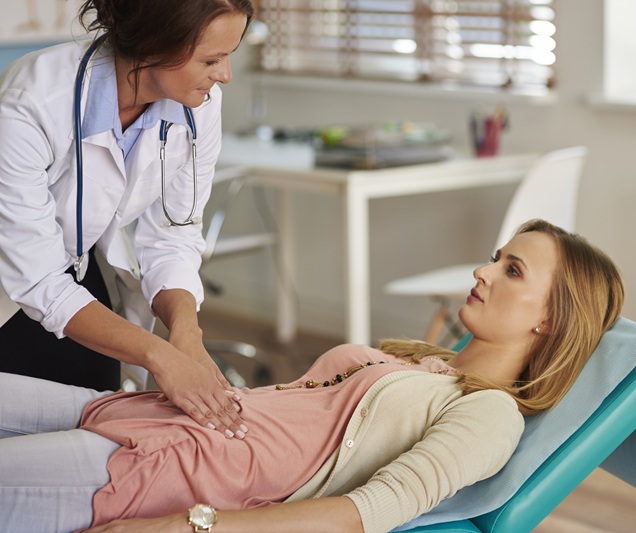
    A painless scan to check the health of your ovaries, uterine lining, and look for fibroids.
  4. Hysterosalpingogram (HSG)
    This special X-ray is a crucial diagnostic test for female infertility that tells us if your fallopian tubes are open or blocked.
  5. Genetic Testing
    This female infertility test checks if there’s a genetic reason behind the issue.

Why Choose Little Angel IVF for Infertility Treatment for Females?

At Little Angel IVF, we focus on helping you become a mother. Our female infertility doctors use their expertise in top medical science with care.

Fibroid Removal Surgery Cost Delhi

The cost of fibroid removal surgery that Delhi patients encounter varies significantly because treatment plans are tailored to individual medical needs. The overall cost is determined by:

  • The surgical approach (hysteroscopic, laparoscopic, or open myomectomy)
  • The number, size, and anatomical position of the fibroids
  • Anaesthesia, diagnostic imaging, and operating theatre requirements
  • Duration of hospital stay and post-operative recovery care

During your consultation at Little Angel IVF, we provide a transparent, comprehensive cost breakdown based specifically on your diagnostic findings and clinical plan.

Comprehensive Care at Little Angel IVF

Managing fibroids when you plan to have a child requires a balance between symptom relief and reproductive protection. At Little Angel IVF, our fertility specialists focus on uterine preservation and targeted interventions to help you achieve a healthy pregnancy.

When Should You See a Fertility Specialist?

  • You have known fibroids and have been trying to conceive for 6 to 12 months without success.
  • Your ultrasound indicates a fibroid that encroaches upon the uterine cavity.
  • You experience heavy bleeding, pelvic pain, or a history of recurrent pregnancy loss.
+91 9267982924