What Is Azoospermia?

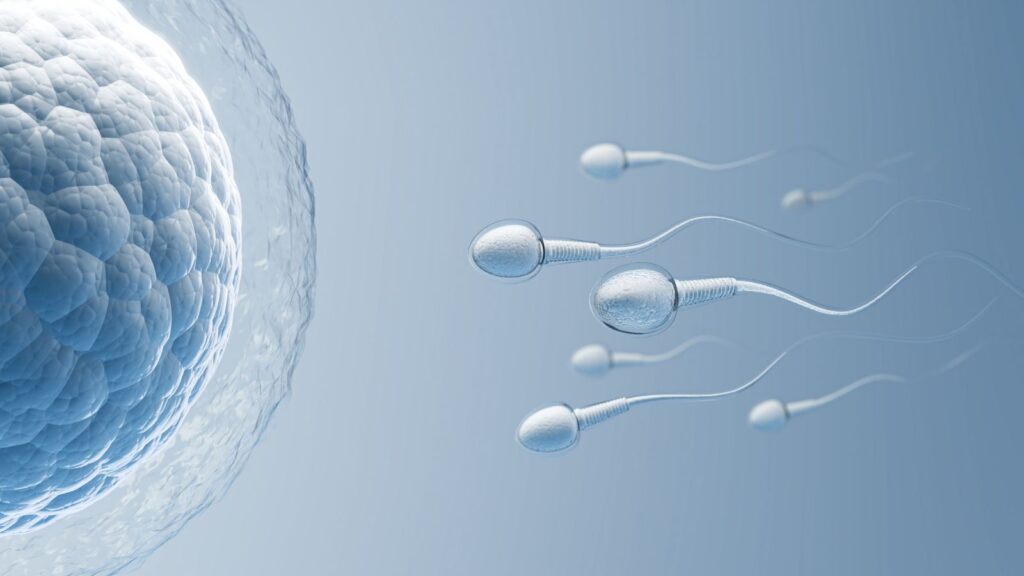
Azoospermia is a medical condition in which there is no measurable sperm in semen. The fluid in the semen is normal, but there are no sperm cells in the fluid when viewed under a microscope.

However, a zero sperm count in the semen doesn’t mean your body is incapable of producing sperm. Sperm is often blocked from coming out of the testicles or formed in small pockets inside. 

Types of Azoospermia

Understanding your specific type of azoospermia is the essential first step toward effective treatment. Clinical guidelines from the American Urological Association (AUA) and the European Association of Urology (EAU) classify azoospermia into two primary categories:

Type What Happens Common Treatment Approach
Obstructive Azoospermia (OA) Sperm is produced normally in the testes but cannot enter the semen due to a physical blockage in the reproductive tract. Surgical repair of the blockage or direct sperm retrieval (such as TESA/PESA).
Non-Obstructive Azoospermia (NOA) The testes produce very little or no sperm due to intrinsic testicular or hormonal issues. Targeted medical management, hormonal therapy, or advanced surgical retrieval (such as micro-TESE).


Azoospermia Causes and Cure

Azoospermia can stem from various physical, genetic, and environmental factors. When evaluating azoospermia causes and cure, fertility specialists look for:

  • Physical Blockages: Scarring from previous infections (such as epididymitis), vasectomy, or prior pelvic surgeries.
  • Congenital Conditions: Congenital Bilateral Absence of the Vas Deferens (CBAVD), often linked to CFTR gene mutations.
  • Hormonal Imbalances: Deficiencies in pituitary hormones (LH and FSH) are required to stimulate sperm production.
  • Testicular Factors: History of undescended testicles (cryptorchidism), testicular trauma, or mumps orchitis.
  • Genetic Factors: Y-chromosome microdeletions or chromosomal variations such as Klinefelter syndrome.
  • Medical Treatments: Prior exposure to chemotherapy, radiation, or certain medications.

Symptoms of Azoospermia

Most men with azoospermia experience no outward symptoms. Ejaculation volume, sex drive, and erectile function are typically normal. In select cases, underlying hormonal or genetic causes may cause:

  • Difficulty conceiving after 12 months of unprotected intercourse
  • Reduced facial or body hair
  • Pain, swelling, or a palpable lump in the testicle area
  • Low libido or sexual dysfunction

How Is Azoospermia Diagnosed?

According to AUA and ASRM guidelines, azoospermia must never be diagnosed on a single test. Diagnostic protocol includes:

  • Repeat Semen Analyses: At least two centrifuged semen evaluations performed weeks apart.
  • Physical Examination: To evaluate testicular size and check for the presence of the vas deferens or varicoceles.
  • Hormonal Profiling: Measuring Serum FSH, LH, total testosterone, and prolactin.
  • Scrotal Ultrasound: To detect obstructions, cysts, or anatomical anomalies.
  • Genetic Testing: Karyotyping and Y-chromosome microdeletion testing when indicated.

Azoospermia Treatment Options

Treatment is never one-size-fits-all. Under the clinical leadership of Dr. Mona Dahiya, Little Angel IVF creates evidence-based treatment plans tailored to the exact root cause of your diagnosis.

Obstructive Azoospermia Treatment

Because sperm production is generally normal in OA, obstructive azoospermia treatment focuses on either restoring flow or bypassing the blockage:

  • Surgical Reconstruction: Microsurgical vasovasostomy or vasoepididymostomy to clear the reproductive pathway.
  • Percutaneous Retrieval: Simple, minimally invasive procedures like PESA (Percutaneous Epididymal Sperm Aspiration) or TESA to retrieve sperm directly from the epididymis or testis for use in IVF.

Non-Obstructive Azoospermia and IVF

Men with NOA often have focal areas of active spermatogenesis (isolated pockets of sperm production) inside the testes. In cases of non-obstructive azoospermia IVF, retrieved sperm is paired with Intracytoplasmic Sperm Injection (ICSI), where a single healthy sperm is injected directly into an egg.

Why Patients Trust Our IVF Specialists?

We have professional IVF doctor who deliver compassionate care with proven results.
25+

Years Experience

We have been helping couples build their families with safe fertility care.
90%

IVF Treatment Success Rate

Our high IVF cycle rates give you one of the best chances to become parents.
25,000+

Happy Couples

Thousands of couples have trusted us, and many are now proud parents.
30%

Lower Cost

Get world-class IVF treatments at a much more affordable IVF cost.

TESA, TESE, and Micro-TESE for Azoospermia

Surgical sperm retrieval techniques vary significantly and are chosen based on clinical indications:

  • TESA (Testicular Sperm Aspiration): A fine needle is inserted into the testis to aspirate tissue and sperm. Best suited for obstructive azoospermia.
  • TESE (Testicular Sperm Extraction): A small open biopsy of testicular tissue to locate viable sperm cells.
  • Micro-TESE (Microsurgical TESE): The gold standard for non-obstructive azoospermia. An operating microscope is used to carefully examine testicular tubules and selectively extract only the healthiest, sperm-producing tissue while preserving surrounding structures.

Can Azoospermia Be Treated?

Yes, azoospermia can be effectively managed. While some conditions (such as hormonal deficiencies or blockages) can be medically or surgically corrected, others may permanently impact natural sperm output. However, even if natural conception is not possible, surgical sperm retrieval combined with IVF-ICSI offers a viable pathway to biological fatherhood for many couples.

+91 9267982924